3 Realistic Side Hustles You Can Start This Weekend
No drop-shipping, no survey sites, and no MLM scams. Here are three practical ways to monetize your existing skills for extra monthly income.

The modern digital landscape is saturated with self-proclaimed "laptop lifestyle gurus" telling you that you can easily make $10,000 a month in passive income. They promote highly complex models like drop-shipping wholesale products from overseas, launching automated AI YouTube channels, or joining multi-level marketing (MLM) schemes. What these gurus hide is the high initial startup costs, extremely high failure rates, intense advertising competition, and the reality that most of their income actually comes from selling online courses to hopeful beginners.
If you want real, reliable extra income, you must ignore the passive income scams and focus on service-based side hustles. Service-based hustles monetize skills you already possess by solving immediate problems for real clients. They require exactly $0 in upfront capital, carry no overhead costs, and can be started immediately. This comprehensive guide outlines three realistic side hustles you can start this weekend.
Comparing the 3 Service-Based Side Hustles
Let us analyze the required skills, income potential, and start times of three practical side hustles:
| Side Hustle | Required Skillset | Income Potential | Time to First Client | Difficulty Level |
|---|---|---|---|---|
| Technical Copywriting | Clear writing, specialized industry knowledge | $150 - $500 per article | 3 to 5 days | Medium |
| Remote Digital Setup | Basic software systems, domain settings | $300 - $600 per client | 2 to 4 days | Low |
| Presentation Design | Visual contrast, tool mastery (Canva/Figma) | $500 - $1,500 per deck | 4 to 7 days | Medium |
The 3-Step Weekend Launch Roadmap
Launching a service-based business can be simplified. Here is the operational workflow for these three pathways:
1. Freelance Technical Copywriting: Writing Words for B2B Tech
Every single business in the modern economy needs high-quality content. They need email newsletter campaigns, marketing landing pages, customer support guides, and educational blog posts. If you have a professional background in a specific field (like finance, real estate, software engineering, or healthcare) and can write clearly, you can charge a high premium. Companies are desperate for writers who can explain complex industry concepts simply.
How to Launch This Weekend
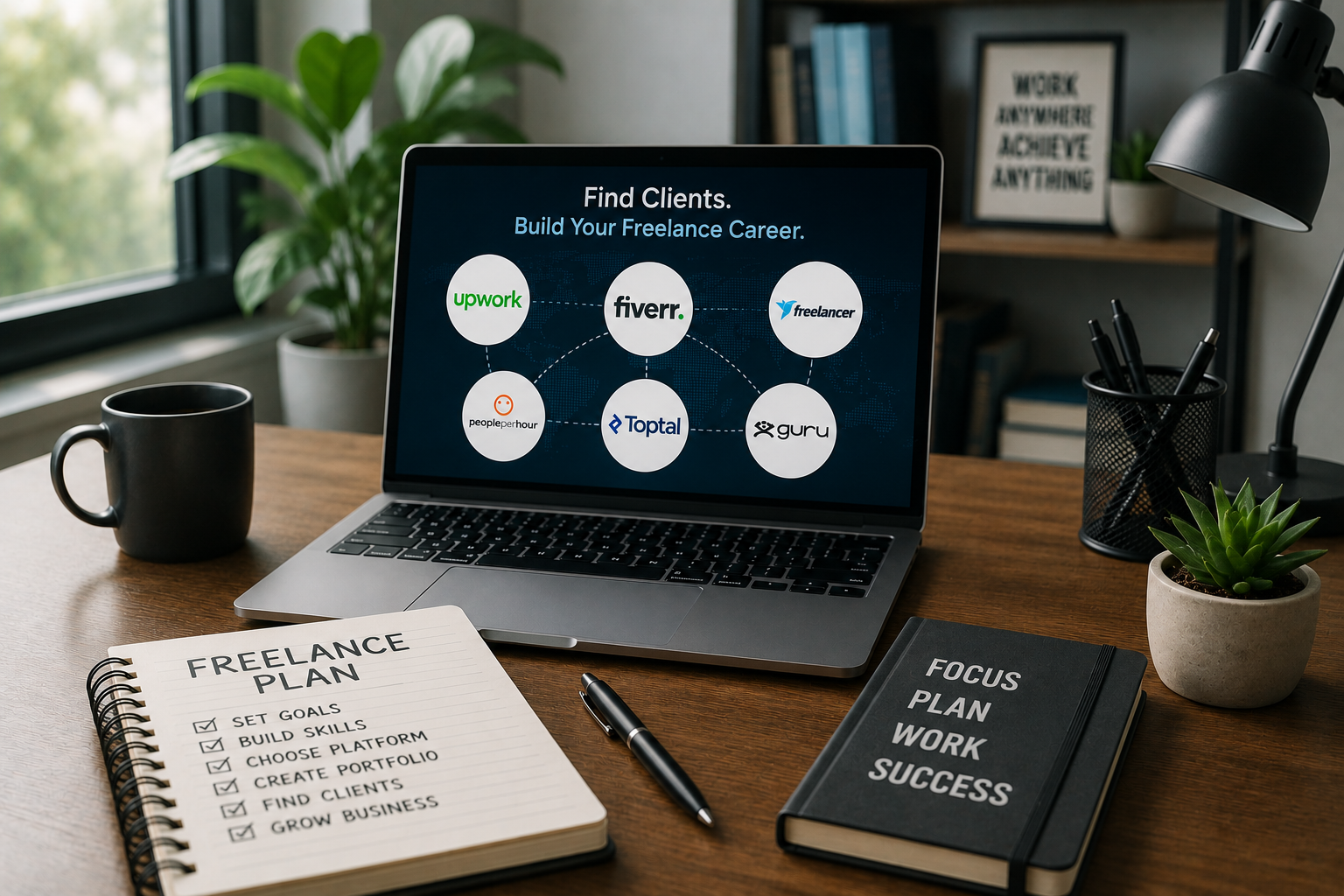
Do not create a generic profile on crowded freelance platforms like Upwork or Fiverr, where you will immediately enter a price race to the bottom. Instead, execute this targeted client acquisition system:
- Build a small portfolio: Write three speculative articles on topics within your niche. Host them on Medium or a simple free portfolio site.
- Identify prospects: Use LinkedIn to search for mid-sized software, consulting, or local professional firms. Locate their Marketing Director or Content Manager.
- Send a direct pitch: Write a highly personalized, 3-sentence message. Offer three specific, high-value article ideas that would benefit their business, and link to your samples.
Income Potential: $150 to $500 per article. A single consistent client needing four articles a month yields a steady $1,000 to $2,000/month retainer.
Mastering the Cold Pitch Follow-Up: Most freelancers send a single message and never follow up. But content managers are busy; your email might simply have gotten lost in their inbox. Send a brief, polite follow-up message exactly four days after your initial pitch. This persistence shows your professionalism and dedication, and frequently accounts for over 50% of successfully closed copywriting contracts.
2. Remote Business Digital Setup: Bridging the Local Tech Divide
There is a massive digital divide in the local economy. Hundreds of local service businesses—including plumbers, dental offices, boutique retail shops, and landscaping contractors—are outstanding at their core trade, but have zero technical capability. They frequently struggle with basic modern software and systems.
You can package your digital comfort and offer "Business Digital Setup" services, solving these frustrating tech bottlenecks for a flat project fee. Core services you can configure include:
- Google Workspace setup: Migrating a business from a generic "@gmail.com" email to a professional, custom domain address (e.g., "office@localplumbing.com").
- Online appointment scheduling: Connecting Calendly or Acuity scheduling links so clients can book appointments directly from their website.
- Professional Stripe invoicing: Setting up a simple Stripe account so the owner can send professional, clickable invoice payment links to their customers' phones.
How to Launch This Weekend
Search Google Maps for local service businesses in your area. Review their listings and websites. If you see a generic Gmail address or notice they have no way to book online, call them. Offer to configure their entire domain email and invoicing system for a flat one-time service fee of $400.
Income Potential: $300 to $600 per setup. Configuring just three setups a month generates $1,200 to $1,800 in extra income.
3. Premium Presentation Polish: Redesigning High-Stakes Slides
B2B sales representatives, corporate executives, and startup founders frequently need slide decks designed for critical sales pitches, board meetings, or investor fundraising rounds. These slides are high-stakes; a successful deck can secure millions of dollars in capital or land a major corporate client. While these professionals have the data and arguments, they usually lack the design skills to make the presentation look modern, clean, and visually compelling.
If you have an eye for clean layouts, visual contrast, and professional typography, you can offer presentation redesign and polishing services using Canva or Figma.
How to Launch This Weekend
Find a poorly designed public presentation on a local startup's website or a site like SlideShare. Redesign three key slides to show a dramatic "Before and After" comparison. Reach out to local founders or marketing managers on LinkedIn, showcase your 3-slide transformation, and offer to polish their upcoming pitch decks.
Income Potential: $500 to $1,500 per presentation deck depending on the number of slides and the stakes of the meeting.
Furthermore, always request permission to showcase your redesigned slides as anonymized 'Before and After' case studies in your public portfolio. Seeing a cluttered, bullet-heavy corporate slide transformed into a sleek, visual slide deck is the single most persuasive marketing asset you can possess, immediately proving your value to future startup founders.
Deep Dive into Side Hustle Operational Frameworks
Operating a successful service-based side hustle requires more than just technical skill; it requires a structured operational framework to ensure that you deliver high-quality work, manage client expectations, and secure regular repeat business. Follow these operational guidelines to guarantee smooth execution:
- Use clear service agreements: Never begin work without a simple, signed 1-page agreement. This contract should outline the exact deliverables, the number of revisions included (we recommend exactly two), the deadline, and the payment terms. This protects both you and the client from "scope creep" (clients asking for extra work for free).
- Secure upfront deposits: For project fees under $500, require 100% payment upfront before starting. For larger projects, use a 50% deposit before kickoff and 50% upon final delivery. This filters out unserious clients and protects your time.
- Establish a clear feedback channel: When delivering work, guide the client on how to give feedback. Instead of asking "What do you think?", ask "Does this copywriting align with the primary brand voice we agreed upon?" or "Are the visual contrasts on the presentation decks suitable for your audience?" This keeps feedback objective and professional.
Overcoming Impostor Syndrome: Becoming the Absolute Expert
One of the largest mental barriers that stops beginners from launching a successful service hustle is impostor syndrome. People feel like they cannot charge professional fees because they are not "fully certified experts" or because they have only recently mastered the platform. But you must realize that expertise is entirely relative.
Knowing 10% more about a system than your client makes you an absolute expert in their eyes. A local plumber who spends 12 hours a day fixing pipes does not want to learn DNS records, custom MX servers, or Stripe API configurations. They want to focus on plumbing. When they hire you, they are not paying for your years of experience—they are paying for the convenience of a resolved problem. Present your services with confidence, focus entirely on the value you bring, and always deliver on your promises. You do not need a degree to help a local business succeed.
Managing and Optimizing Your Business Administration
As your side hustle begins generating cash, you must manage its administrative and legal aspects. Treat your side hustle like a real business from day one to avoid legal headaches and optimize your tax liabilities:
- Keep detailed financial records: Create a simple spreadsheet or use basic software to track every dollar of incoming revenue and every business expense. Save digital receipts for all business purchases.
- Track tax-deductible expenses: As a self-employed business owner, you can deduct legitimate business expenses from your taxes, lowering your total tax bill. Deductible items include your internet bill percentage, professional software subscriptions (like Canva Pro, Figma, Google Workspace), hardware purchases (laptop, mouse, keyboard), and a portion of your utilities if you have a dedicated home office.
- Separate personal and business finances: Open a dedicated checking account for your side hustle. Route all client payments into this account and use it to pay for all business-related expenses. This keeps your personal and business transactions strictly isolated, making tax preparation simple.
Structuring Professional Retainers and Invoicing
To establish a stable financial baseline, you should structure your business around monthly retainers. A retainer is an agreement where a client pays you a fixed monthly fee (e.g. $400/month) for a set volume of recurring work. This ensures that you have guaranteed income without having to source new clients every week. Use automated Stripe billing to issue recurring invoices on the first of every month, establishing a highly predictable inbound invoicing engine.
Advanced Client Acquisition: Building an Inbound Invoicing Engine
While cold pitching on LinkedIn is excellent for landing your first three clients, relying solely on outreach is time-consuming. To scale your side hustle into a steady, high-paying business, you must transition to an inbound marketing engine. This ensures that clients reach out to you directly, providing a steady flow of monthly projects:
- Share highly specialized content online: Post detailed, practical insights related to your niche on LinkedIn or Medium twice a week. If you are a copywriting specialist, share a breakdown of a successful landing page. If you configure digital systems, write a step-by-step guide on connecting Stripe to an email. This showcases your expertise and attracts premium clients.
- Turn one-off projects into monthly retainers: One-off projects are exhausting because you must constantly find new clients. Instead, upsell your clients into ongoing monthly maintenance plans. For tech setups, offer "Digital Maintenance Support" for a flat $200/mo to handle email additions and invoice adjustments. For copywriting, offer a "Growth Package" of four blog posts a month for a flat $800/mo.
- Build a client referral loop: The absolute highest-converting leads come from word-of-mouth recommendations. When you complete a project, ask your client: "Do you know one other business owner in your network who is currently struggling with their email systems or slide designs?" Offer a 10% referral discount on their next project for every successful introduction.
Developing Your Long-Term Brand and Digital Presence: As your client list expands, consider building a simple, high-converting personal website that showcases your portfolio, client video testimonials, and structured packages. This serves as a central hub where inbound prospects can view your work, book consultation calendars directly, and purchase your services. Having a dedicated professional domain and brand presence immediately elevates you above generic freelance profiles, enabling you to double your rates and command high B2B premiums. You transition from a casual side hustler to a recognized, specialized digital consultant, establishing a lasting business that drives automated cash flow and opens up full-time entrepreneurial opportunities.
The single biggest mistake people make in cold outreach is writing long, self-centered paragraphs. A prospect does not care about your life history, your dreams, or your list of software certifications. They care about their own problems. Keep your pitch under 100 words, focus entirely on a specific problem they have, and provide a low-risk, one-click solution. Direct, helpful outreach stands out from generic automated spam every single time.
Model Your Side Hustle Growth
See how investing your extra monthly cash flow can compound over time. Use our interactive calculator to model your path to financial freedom using side hustle profits.
Try the Compound Calculator