How to Pay Off Credit Card Debt Fast: Proven Strategies
Take control of your money. Learn how to manage how to pay off credit card debt, how to pay down credit card debt, how to pay off debt fast and discover...
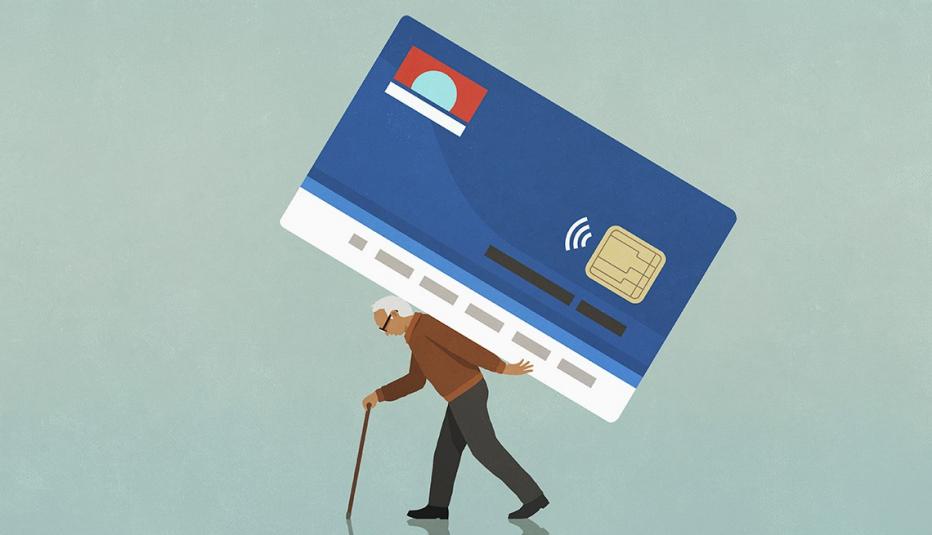
Credit card debt is one of the most significant obstacles to financial freedom. With average APRs exceeding 22%, the compounding interest on revolving balances can trap individuals in a cycle of minimum payments that stretches for decades. Yet, escaping this cycle is achievable with a clear strategy and disciplined execution. This comprehensive guide provides a proven framework for how to pay off credit card debt, exploring multiple approaches to how to pay down credit card debt efficiently. Whether you are seeking how to pay off debt fast or looking for the best way to pay off debt for your specific situation, this guide offers actionable strategies, including the increasingly popular debt backpack method, and helps you understand the critical differences between debt management vs debt settlement.
With average credit card interest rates exceeding 22%, carrying a balance is one of the most expensive financial decisions you can make. Understanding how to pay off credit card debt is not optional—it is essential for financial survival. Every dollar paid in interest is a dollar that cannot be invested in your future.
How to Pay Off Credit Card Debt: The Assessment Phase
Before implementing any strategy for how to pay down credit card debt, you must understand the full scope of your obligation. The assessment phase is critical for developing an effective plan to pay off debt.
Step 1: Inventory All Debts
Create a comprehensive list of all your credit debt. For each credit card, record:
- The current balance
- The annual percentage rate (APR)
- The minimum monthly payment
- The due date
This inventory provides a clear picture of your credit debt landscape and is the first step in how to pay off credit card debt. Many people are surprised by the total when they see it in writing.
Step 2: Calculate Your Total Monthly Obligation
Add up all minimum payments to understand your monthly credit debt obligation. Then, calculate your monthly disposable income—the amount remaining after essential expenses. This determines how much you can allocate to accelerated credit card debt repayment.
Step 3: Assess Your Interest Burden
Calculate how much interest you are paying annually. A $10,000 balance at 22% costs $2,200 in interest annually—$183 monthly. Understanding this cost is essential for how to minimize credit card debt and prioritize repayment.
How to Pay Down Credit Card Debt: The Elimination Strategies
Once you have assessed your debt, it is time to implement a strategy. The following approaches represent the most effective ways to pay down credit card debt.
The Debt Avalanche Method
The debt avalanche is the mathematically optimal best way to pay off debt. It prioritizes debts with the highest interest rates first, minimizing total interest paid. After making minimum payments on all debts, direct every additional dollar toward the highest-APR debt until it is eliminated. Then roll that payment into the next highest-APR debt. This is the most efficient how to pay off debt fast strategy.
The Debt Snowball Method
The debt snowball is a behavioral alternative that prioritizes the smallest balances first, providing psychological momentum through quick wins. While this method may result in slightly higher total interest paid, it has helped millions escape credit card debt by maintaining motivation. The best way to pay off debt for you depends on your personality—if you need quick wins to stay motivated, choose the snowball.
The Debt Backpack Method
The debt backpack method is an emerging strategy that combines elements of both avalanche and snowball. In this approach, you create a "backpack" of all your debts and systematically "unpack" them based on a combination of interest rate and balance size. The debt backpack method typically involves:
- Listing all debts with their balances and interest rates
- Ranking them using a weighted score (e.g., 60% interest rate weight, 40% balance weight)
- Paying off the highest-scoring debts first
The debt backpack method offers a balanced approach that considers both the math and the psychology of how to pay off debt.
- Uses Avalanche: Minimizes interest with the best way to pay off debt.
- Maintains Emergency Fund: Keeps $1,000 buffer to avoid new debt.
- Automates Payments: Ensures no missed due dates.
- Uses Windfalls Wisely: Applies bonuses to pay off credit debt.
- Only Minimums: Makes minimum payments, extending debt indefinitely.
- No Emergency Buffer: Relies on credit for unexpected expenses.
- Late Payments: Misses due dates, incurring fees and credit damage.
- Spends Windfalls: Uses bonuses for consumption rather than payoff credit card debt.
How to Pay Off Debt Fast: Accelerating Your Progress
For those seeking how to pay off debt fast, the following strategies can accelerate your journey to becoming debt-free.
1. Increase Your Income
Additional income from a side hustle, overtime, or a second job can dramatically accelerate how to pay down debt fast. Even $500 monthly in additional income can reduce a five-year repayment plan to three years, saving thousands in interest.
2. Reduce Expenses
Identify areas where you can cut spending—dining out, entertainment, subscriptions. Even modest reductions can free up hundreds of dollars monthly for pay off the debt. A $100 monthly reduction in spending translates to $1,200 annually applied to credit card debt repayment.
3. Use Windfalls Strategically
Apply tax refunds, work bonuses, and gifts directly to pay off credit debt. These lump sums can make a significant dent in your balance and accelerate your plan to pay off debt.
How to Get Rid of Credit Debt: Consolidation Options
For those struggling with multiple high-interest cards, consolidation can be an effective how to get rid of credit debt strategy. The following options are available.
Balance Transfer Credit Cards
Balance transfer cards offer 0% APR introductory periods (12-21 months) on transferred balances. This pauses interest accrual, allowing you to attack the principal without the erosion of interest charges. This is one of the most powerful tools for how to reduce credit card debt. The key caveat is the balance transfer fee (typically 3-5%), which must be factored into the cost-benefit analysis.
Debt Consolidation Loans
A debt consolidation loan from a credit union or online lender can combine multiple credit debt obligations into a single payment with a lower interest rate. This simplifies managing credit card debt and can reduce monthly payments.
Consolidation can be a powerful tool for how to minimize credit card debt, but it carries significant risks. If you consolidate and then run up your credit cards again, you have doubled your debt burden. Consolidation must be paired with a commitment to stop using credit cards for discretionary spending. This is essential for how to tackle credit card debt effectively.
Debt Management vs Debt Settlement: Understanding Your Options
For individuals with overwhelming debt, professional options may be appropriate. Understanding the difference between debt management vs debt settlement is essential for making informed decisions.
| Option | How It Works | Best For | Key Drawbacks | Credit Impact |
|---|---|---|---|---|
| Debt Management Plan (DMP) | Credit counseling agency negotiates lower rates with creditors; you make one monthly payment | Individuals who can afford monthly payments but need rate relief | Typically takes 3-5 years; accounts may be closed | Moderate negative impact |
| Debt Settlement | Negotiate with creditors to accept less than full balance | Individuals who cannot afford full payments | Fees; tax implications; creditor lawsuits risk | Severe negative impact |
Debt management vs debt settlement represents a critical choice. A DMP helps you pay off the debt in full at reduced rates. Debt settlement reduces the principal but can significantly damage your credit. For most individuals, a DMP is the preferable best way to get out of debt.
How to Minimize Credit Card Debt: Prevention Strategies
Once you have eliminated your credit card debt, the challenge shifts to preventing its recurrence. The following habits are essential for how to minimize credit card debt in the long term.
- Maintain an Emergency Fund: Keep 3-6 months of expenses in liquid savings to avoid borrowing for unexpected expenses. This is essential for how to handle credit card debt prevention.
- Pay Balances in Full: Treat your credit card like a debit card—never charge more than you can pay off the debt when the statement arrives.
- Track Spending: Continue budgeting to maintain awareness of your financial situation and avoid the need for how to pay back debt strategies.
- Review Your Credit Report: Regularly check your credit report for errors and monitor your progress.
How to Deal with Credit Card Debt: The Psychological Dimension
Understanding how to deal with credit card debt requires acknowledging the psychological dimension. Debt is not just a financial problem—it is an emotional burden that affects relationships, mental health, and decision-making. The following strategies help manage the psychological aspect of how to handle credit card debt:
- Celebrate Milestones: Acknowledge progress when you pay off a card or reach a balance reduction target.
- Seek Support: Share your goals with trusted friends or family who can provide encouragement.
- Visualize Progress: Use a debt thermometer or chart to track your credit card debt repayment visually.
- Focus on the Future: Remember that each payment brings you closer to financial freedom.
How to Pay Off Credit Card Debt: A Sample Plan
To illustrate how to start paying off debt, consider this sample scenario. Sarah has $15,000 in credit card debt across three cards:
- Card A: $8,000 at 24% APR
- Card B: $4,000 at 18% APR
- Card C: $3,000 at 15% APR
Sarah's monthly minimum payments total $450. She has $200 of additional disposable income. Her plan to pay off debt:
- Month 1-6: Use the avalanche method—direct the extra $200 to Card A (highest APR) while paying minimums on others.
- Month 7-12: After Card A is eliminated, roll the $200 plus Card A's minimum to Card B.
- Month 13-18: After Card B is eliminated, roll everything to Card C.
This credit card debt repayment plan would eliminate all debt in approximately 18 months, saving Sarah over $4,000 in interest compared to paying only the minimums.
Conclusion: The Path to Debt Freedom
Credit card debt is a formidable obstacle to financial independence, but it is not insurmountable. Understanding how to pay off credit card debt, implementing strategies for how to pay down credit card debt, and choosing the best way to pay off debt for your situation are all achievable goals. Whether you use the avalanche method, the snowball method, or the debt backpack method, the key is to start.
Understanding debt management vs debt settlement ensures you choose the right professional path if needed. Every dollar applied to pay off credit debt is a step toward freedom. Every month without new credit card debt is progress. With persistence and the right approach, you can escape the debt trap and redirect your cash flow toward building lasting wealth.
Model Your Debt-Free Future
Use our free compound interest calculator to see how redirecting your debt payments into investments can accelerate your wealth building. Visualize the power of being debt-free.
Calculate Your Wealth Potential