How to Invest in an Index Fund: A Simple Practical Tutorial
Grow your wealth. Learn how to invest in invest in index funds, how to invest in an index fund, how do i invest in index funds and understand the basics...
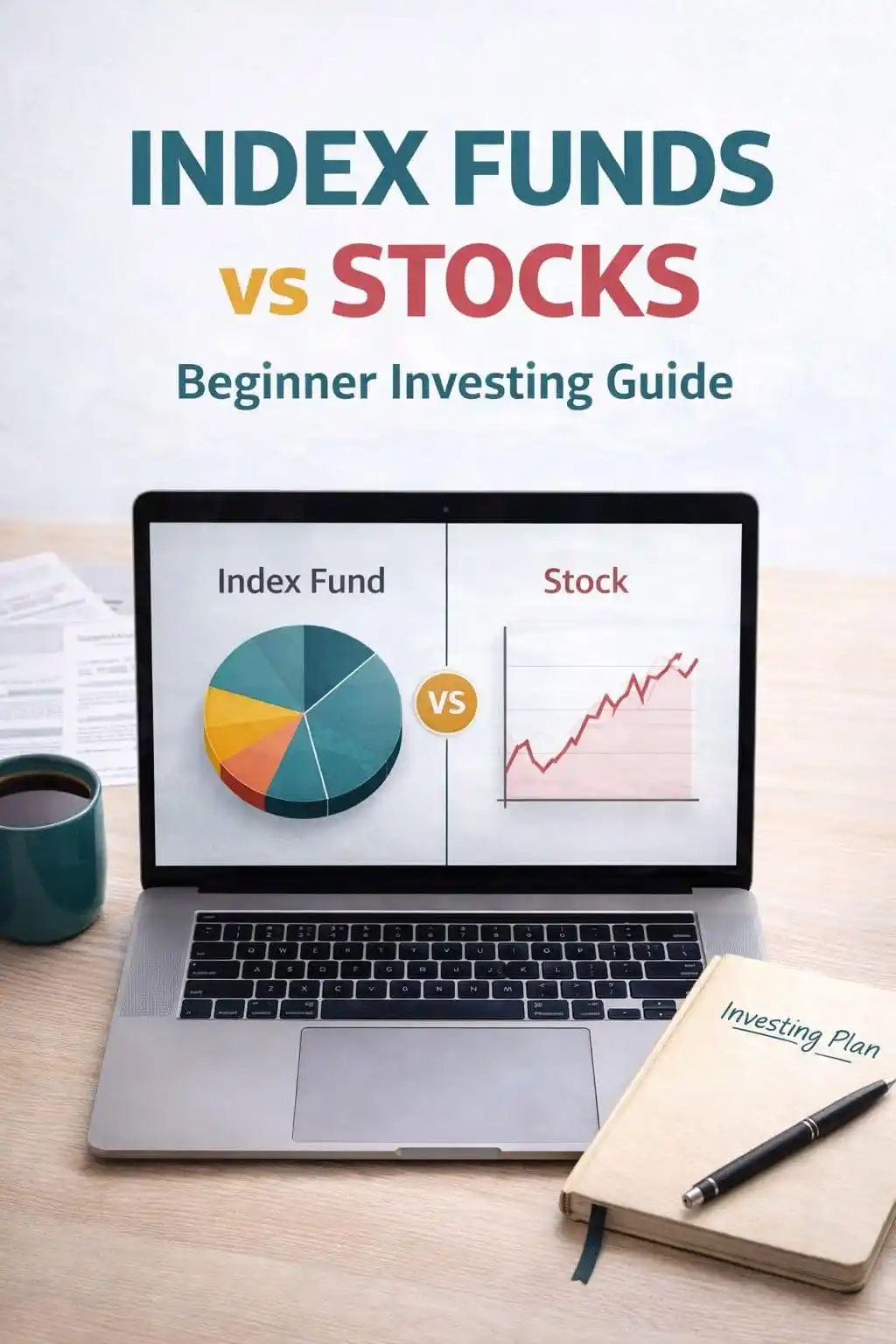
For generations, investors have sought the secret to reliable wealth creation. The answer, supported by decades of empirical evidence, is surprisingly simple: invest in index funds. These low-cost, passively managed vehicles have revolutionized investing, democratizing access to market returns and consistently outperforming the majority of actively managed strategies over long time horizons. This comprehensive guide provides a complete roadmap for understanding and implementing index fund investing, answering essential questions like how to invest in an index fund, how do i invest in index funds, and where to invest in index funds. Whether you are a complete novice or seeking to refine your approach, understanding stock market index funds is the foundation of lasting wealth.
Index funds have transformed investing by offering broad market exposure at minimal cost. When you invest in index funds, you are betting on the long-term growth of the economy rather than trying to pick individual winners. Understanding how to invest in an index fund is the single most important step you can take toward financial independence.
Invest in Index Funds: The Core Concept
To invest in index funds, you must first understand what they are. An index fund is a type of mutual fund or ETF designed to track the performance of a specific market index, such as the S&P 500, the total stock market, or the total bond market. When you buy index funds, you are purchasing a diversified portfolio of securities that mirror the composition of that index.
The question what is an index fund and how does it work is fundamental. An index fund operates by holding the same securities as its benchmark index in the same proportions. If the S&P 500 rises, the index fund rises proportionally. If it falls, the fund falls proportionally. This passive approach eliminates the need for active management, which is why index funds and etfs have become the preferred investment vehicle for cost-conscious investors.
What Is an Investment Index?
To understand what is an investment index, think of it as a measuring stick for a specific segment of the market. The S&P 500 measures the performance of 500 large US companies. The total stock market index measures the entire US equity market. An investment index provides a benchmark against which the performance of individual investments can be measured. When you invest in index funds, you are effectively investing in the index itself.
How to Invest in an Index Fund: A Step-by-Step Guide
Understanding how to invest in an index fund is straightforward. The following steps provide a clear roadmap for how do i invest in index funds effectively.
Step 1: Choose Your Investment Account
To invest in index funds, you need a brokerage account. For retirement, consider a Roth IRA or Traditional IRA. For general investing, a taxable brokerage account is appropriate. Popular platforms include Vanguard, Fidelity, Schwab, and Robinhood. When considering where to invest in index funds, the account type is as important as the investment itself.
Step 2: Select Your Index Fund
Choosing the right fund is essential for how to invest in an index fund. For most beginners, an S&P 500 index fund or total stock market index fund is the optimal starting point. These funds provide broad diversification and have low expense ratios. When you buy index funds, look for expense ratios below 0.10%. This is a critical consideration for index funds for retirement and long-term growth.
Step 3: Place Your Order
Once you have selected your fund, you can buy index funds through your brokerage platform. For mutual funds, you can invest a specific dollar amount. For ETFs, you purchase shares at the current market price. Understanding how to buy a index fund is simple—place an order through your brokerage account.
Step 4: Stay Invested
The most important step in how to invest in an index fund is staying invested. Market fluctuations are normal. The key to successful index investing definition is maintaining discipline through market cycles.
- Low Cost: Chooses funds with expense ratios below 0.10%.
- Diversified: Invests in broad stock market index funds.
- Disciplined: Stays invested through market cycles.
- Long-Term Focus: Understands index investing definition.
- High Cost: Pays excessive expense ratios.
- Concentrated: Fails to diversify across stocks and funds.
- Panic Sells: Exits the market during downturns.
- Short-Term Focus: Treats index funds invest strategies like trading.
How Do I Invest in Index Funds: Key Considerations
For those asking how do i invest in index funds, several key considerations will guide your approach. Understanding how to invest in index funds for beginners requires attention to these factors.
1. Expense Ratios
Expense ratios are the annual fees charged by the fund. When you invest in index funds, lower expense ratios mean more of your money stays invested. The average index fund expense ratio is approximately 0.05-0.20%. Compare this to actively managed funds averaging 0.75-1.5%. This cost difference is a primary reason to invest in index funds over actively managed alternatives.
2. Tracking Error
Tracking error measures how closely the fund follows its benchmark index. A well-managed index fund will have minimal tracking error. When you buy index funds, look for funds that closely track their benchmark.
3. Fund Minimums
Some index funds have minimum investment requirements. When considering how to invest in an index fund, ensure you meet the minimum. Many funds have lowered or eliminated minimums, making index funds for beginners more accessible than ever.
Stock Market Index Funds: The Core Options
Stock market index funds are the most common type of index fund. The following stock market index funds represent the core options for most investors.
| Index Fund Name | Tracked Index | Expense Ratio | Minimum Investment | Best For |
|---|---|---|---|---|
| Vanguard S&P 500 (VOO) | S&P 500 | 0.03% | $1 (ETF) | Core US equity exposure |
| Vanguard Total Stock Market (VTI) | Total US Stock Market | 0.03% | $1 (ETF) | Broad US market exposure |
| Vanguard Total International (VXUS) | Total International Stock | 0.07% | $1 (ETF) | International diversification |
| Schwab S&P 500 (SWPPX) | S&P 500 | 0.02% | $0 | Low-cost S&P 500 exposure |
| Fidelity Total Market (FSKAX) | Total US Stock Market | 0.015% | $0 | Low-cost total market exposure |
These stock market index funds provide the foundation for a diversified portfolio. When you invest in index funds, consider combining domestic and international stock market index funds for global diversification.
Index Funds and ETFs: Understanding the Vehicles
Index funds and etfs are often discussed together, but they have distinct characteristics. Both index funds and etfs can track indices, but they differ in how they are traded and structured.
- Mutual Funds: Priced once daily after market close. Can be purchased in exact dollar amounts. Ideal for automatic investing.
- ETFs: Trade throughout the day on exchanges. Priced in real-time. Offer tax advantages for taxable accounts.
Understanding the distinction between index funds and etfs helps you choose the right vehicle for your needs. Many investors use both: mutual funds for retirement accounts and ETFs for taxable accounts.
The question passively managed index funds how do you make money is fundamental. You make money through two mechanisms: price appreciation (the index rises) and dividend reinvestment. When you invest in index funds, you are participating in the long-term growth of the economy. This is the essence of passive index fund investing.
How Do You Make Money with Index Funds
Understanding how do you make money with index funds is essential for new investors. The answer has two components:
- Capital Appreciation: As the underlying securities in the index increase in value, the index fund's share price rises. When you sell your shares, you realize this gain.
- Dividend Income: Many companies in the index pay dividends. These dividends are passed on to fund shareholders, either as cash or reinvested to purchase additional shares.
When you invest in index funds, you benefit from both sources of return. This is the answer to how do you make money with passively managed index funds—through the combination of price appreciation and income generation.
Index Investing Definition: The Philosophy
Understanding the index investing definition is essential for successful implementation. Index investing definition is the strategy of investing in index funds to match the performance of a market benchmark rather than attempting to beat it. This approach is based on the belief that markets are largely efficient and that active management cannot consistently outperform the market after accounting for fees.
The index investing definition encompasses several key principles:
- Market Efficiency: Securities prices reflect all available information.
- Cost Matters: Lower costs lead to higher net returns.
- Diversification: Broad market exposure reduces risk.
- Long-Term Perspective: Market timing is a losing strategy.
Where to Invest in Index Funds: Choosing a Platform
The question where to invest in index funds is as important as which funds to choose. The following platforms are excellent choices for how to invest in an index fund:
- Vanguard: The pioneer of index investing. Offers low-cost funds and excellent customer service.
- Fidelity: Offers zero-expense-ratio index funds and a user-friendly platform.
- Schwab: Competitive fees and extensive educational resources.
- Betterment: A robo-advisor that invests in index funds automatically.
When considering where to invest in index funds, look for platforms that offer the funds you want at the lowest cost.
Index Funds for Retirement: A Simple Strategy
Index funds for retirement provide a simple, effective approach to building a nest egg. The following simple index funds for retirement strategy is popular among passive investors:
- US Total Stock Market: 60% allocation
- International Total Stock Market: 20% allocation
- US Total Bond Market: 20% allocation
This index funds for retirement portfolio provides broad diversification, low costs, and appropriate risk management. As you approach retirement, gradually increase the bond allocation.
Conclusion: The Power of Index Fund Investing
Understanding how to invest in an index fund and implementing a disciplined strategy is the most reliable path to long-term wealth. Stock market index funds provide broad diversification, low costs, and market-matching returns that have outperformed the majority of active strategies over decades.
Whether you are asking how do i invest in index funds for the first time or seeking to refine your approach, the principles are consistent: buy index funds with low expense ratios, stay diversified through index funds and etfs, and maintain discipline through market cycles. The power of index investing definition lies not in complexity but in simplicity—consistent investment in the market's growth.
Start today by choosing a platform, selecting your stock market index funds, and committing to a long-term strategy. The journey to financial independence begins with a single step: the decision to invest in index funds.
Model Your Index Fund Growth
Use our free compound interest calculator to see how investing in stock market index funds can grow your wealth over time. Visualize the power of low-cost, passive investing.
Calculate Your Index Fund Growth